
Please select an option
Physiotherapy
Ready to book? Jump to booking ↓

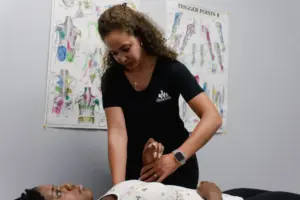
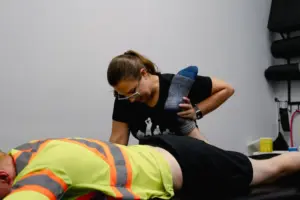
Our physiotherapists take a hands-on, personalized approach to treatment. Each session may include a combination of manual therapy, dry needling, and customized rehab exercises designed to reduce pain, restore mobility, and improve function. We focus on treating the root cause, not just the symptoms, so you can move and feel your best.
We now offer convenient physiotherapy services right in the comfort of your home or retirement residence. Whether you’re recovering from surgery, managing a chronic condition, or looking to improve mobility and independence, our Registered Physiotherapists provide personalized, hands-on care tailored to your needs. No travel, no hassle, just expert support where you need it most. Contact us to book a home visit today.
Most Common conditions treated include:
- Low Back Pain
- Neck Pain
- Sprains & Strains
- Tendinitis & Tendinosis
- Ligament Injuries
- Joint Pain
- Plantar Fasciitis
- Sports Injuries
- Rotator Cuff Injuries
- Whiplash
- Sciatica
- Disc herniations/bulges
Covered by
- Covered by private insurance plans
- Payment required
Fees are on our Pricing page. You can book online or call 613-742-1230.
Looking for physiotherapy in Ottawa’s east end? We are at 5-5303 Canotek Road in Gloucester, a short drive from Orléans, Blackburn Hamlet and Rothwell Heights.
Our Gloucester clinic also offers sports injury-focused chiropractic and registered massage therapy. Meet our team to learn about the practitioners and services available at Performance Sports Therapy.
Book your visit
Physiotherapy in Gloucester, Ottawa
Looking for a sports physio near Orléans, Beacon Hill or Blackburn Hamlet? Our physiotherapy clinic is at 5-5303 Canotek Rd in Gloucester, a short drive from Ottawa’s east end neighbourhoods. We are open Saturdays, so you can get in without missing work or school.
📍 5-5303 Canotek Rd, Gloucester
Mon–Thu 7am–8pm · Fri 7am–5pm · Sat 9am–2pm
Common questions
Do I need a doctor’s referral for physiotherapy in Ontario?
No. Physiotherapists in Ontario are primary care providers, which means you can book directly without seeing a doctor first. The same is true for chiropractic care and registered massage therapy.
Read the full answer →How many physiotherapy sessions will I need?
It depends on the injury, how long you have had it, and what you want to get back to. Your physiotherapist will give you an estimate at your first visit once they have assessed you.
Read the full answer →How soon after an injury should I see a physiotherapist?
For most sprains, strains and sports injuries, within the first few days. You do not need to wait for swelling to go down or for the pain to settle.
Read the full answer →Do you direct bill insurance companies?
We direct bill Blue Cross for RCMP members, Canadian Armed Forces (CAF) members and Veterans Affairs Canada (VAC) clients. For every other insurance plan, you pay at your visit and we give you a detailed receipt to submit to your insurer.
Read the full answer →Athletic therapy vs physiotherapy for sports injuries: what is the difference?
A physiotherapist is a regulated health professional in Ontario who treats a wide range of conditions, from sports injuries to post-surgical, neurological and breathing problems. A Certified Athletic Therapist specializes in muscle, bone and joint injuries, from first response on the field through to return to play.
Read the full answer →Do I have to be an athlete to be treated here?
No. We treat athletes and non-athletes alike. The name comes from how we work, not from who we accept: we assess carefully, treat hands-on, and build a plan around what you want to get back to.
Read the full answer →When should I see a physiotherapist for a sprained ankle?
Within the first few days is ideal, and sooner if you play a sport or have sprained the same ankle before. Early assessment confirms how serious the sprain is and gets you moving safely. If you cannot put weight on the foot or have pain over the bone, get it checked for a fracture first.
Read the full answer →How long is ACL rehab, and when can I return to sport?
After ACL reconstruction, most athletes need about 9 to 12 months of rehabilitation before returning to cutting and pivoting sports, and some need longer. The date matters less than meeting strength, movement and confidence criteria, and your surgeon makes the final call on clearance.
Read the full answer →Physiotherapy vs chiropractic for lower back pain: which should I see?
Either one. Physiotherapists and chiropractors are both regulated health professionals in Ontario who assess and treat low back pain and sciatica, and you can book with either without a referral. For most people, the best choice is the one whose approach you prefer and can get in to see soon.
Read the full answer →Why does my knee pop when I squat?
Knee popping during a squat is very common and is usually harmless when there is no pain or swelling. It is often gas shifting in the joint or a tendon moving over bone. Popping that comes with pain, swelling, locking or giving way should be assessed by a physiotherapist.
Read the full answer →How do I relieve tight hamstrings after running?
Tight hamstrings after a run usually ease with an easy cool-down, gentle stretching or mobility work, and good recovery. If the tightness keeps coming back, it often points to strength, load or mechanics that a physiotherapist can assess.
Read the full answer →What exercises help lower back stiffness after a workout?
Gentle movement usually helps lower back stiffness after training more than rest. Easy options include cat-camel, knee-to-chest, child’s pose and walking. If stiffness lingers or follows every session, a physiotherapist can look at your technique and loading.
Read the full answer →Shin splints or a stress fracture: what are the signs?
Shin splints usually cause a dull ache along a longer stretch of the inner shin that eases as you warm up. A stress fracture tends to cause sharp pain in one small spot that gets worse with activity and can hurt at rest. If you are unsure, stop running and get assessed.
Read the full answer →How do I overcome fear of re-injury after ACL surgery?
Fear of re-injury after ACL surgery is very common, even when your knee is physically ready. Gradual, guided return-to-sport training builds trust in your knee, and mental skills or psychotherapy can help you work through the fear.
Read the full answer →What are the best non-surgical treatments for a rotator cuff strain?
Most rotator cuff strains improve without surgery. The main treatment is a progressive exercise program guided by a physiotherapist, supported by activity modification, hands-on care and, for some longer-lasting tendon problems, options like shockwave therapy.
Read the full answer →- Next up

Learn more about our practitioners
How can we help?
Ask a Question
Book an Appointment
Career Inquiry
Hours & Location
5-5303 Canotek Rd, Gloucester, ON
Monday - Thursday
7:00AM - 8:00PM
Friday
7:00AM - 5:00PM
Saturday
9:00AM - 2:00PM
Sundays and holidays
CLOSED
Successfully submitted!
thank you for your inquiry. One of the PST staff will
reach out to you shortly.